

TB-500 10mg
55,00 $ Original price was: 55,00 $.45,00 $Current price is: 45,00 $.
TB-500 10mg is a popular recovery peptide commonly associated with mobility, flexibility, soft-tissue support, and whole-body recovery optimization. A core product in Peptiba’s Recovery category, often compared with BPC-157, ARA-290, and PEG-MGF.

Estimated delivery between March 27 and March 29.

- Description
- What Is TB-500?
- Key Benefits
- How It Works
- Common Uses
- Who Is It For?
- Product Comparisons
- Product Details
Description
TB-500 10mg – Premium Recovery & Mobility Peptide
TB-500 10mg is one of the most recognized peptides in the recovery, mobility, flexibility, and performance support space. Known for its strong reputation among athletes, bodybuilders, active individuals, biohackers, and recovery-focused users, TB-500 has become a popular choice for those interested in advanced recovery optimization and whole-body physical resilience.
While many recovery peptides are associated with targeted repair, TB-500 is often discussed for its broader, more systemic profile. It is commonly linked to mobility, flexibility, tissue support, muscle recovery, tendon and ligament resilience, and overall movement quality. This makes TB-500 a natural fit in Peptiba’s Recovery category, especially alongside products such as BPC-157 Acetate 10mg, ARA-290 16mg, KPV 10mg, and PEG-MGF 2mg.
Why TB-500 Is So Popular
TB-500 has become popular because recovery is one of the biggest priorities for anyone who trains, performs, competes, or lives an active lifestyle. Physical progress is not only about effort in the gym or on the field. It is also about how well the body handles stress, adapts, and maintains movement quality over time.
For that reason, TB-500 is frequently discussed by people interested in staying active, improving recovery routines, supporting mobility, and maintaining long-term physical performance. It has gained attention in communities focused on strength training, bodybuilding, endurance sports, martial arts, functional fitness, biohacking, and longevity.
One reason TB-500 stands out is that it is often associated with a broader recovery profile compared with more targeted compounds. BPC-157 is commonly linked with localized tissue support, gut health, and connective tissue resilience. ARA-290 is often connected to cellular protection and nerve-related recovery pathways. TB-500, however, is often viewed as a wider recovery and mobility-focused peptide, making it highly appealing to users who care about overall movement and physical resilience.
What Makes TB-500 Unique?
TB-500 is a synthetic peptide related to thymosin beta-4, a naturally occurring protein involved in several biological processes connected to cellular movement, tissue response, and repair-oriented mechanisms. This connection gives TB-500 a distinctive identity among recovery peptides.
Instead of being known for only one narrow use, TB-500 is often associated with multiple areas that matter to active users: flexibility, mobility, muscle recovery, connective tissue support, and whole-body recovery optimization. This broad appeal is one of the main reasons it remains one of the most talked-about recovery peptides in the peptide community.
Another key reason TB-500 is unique is its reputation for systemic activity. Many users compare it to BPC-157 because both are recovery-focused, but they are often described differently. BPC-157 is frequently discussed as more targeted, while TB-500 is commonly viewed as more broad-reaching and mobility-oriented.
TB-500 and Recovery Optimization
Recovery optimization is about more than simply resting. It involves tissue quality, mobility, flexibility, inflammation balance, cellular communication, blood flow, and how well the body maintains performance under repeated physical demand.
TB-500 is often associated with this bigger recovery picture. That is why it appeals not only to athletes and gym users, but also to people who care about long-term mobility, physical maintenance, and performance consistency.
For customers exploring peptides for recovery and movement quality, TB-500 10mg is one of the most relevant products in the Peptiba catalog. It sits strongly within the Recovery category and connects naturally with BPC-157, ARA-290, KPV, and PEG-MGF.
Peptiba TB-500 10mg
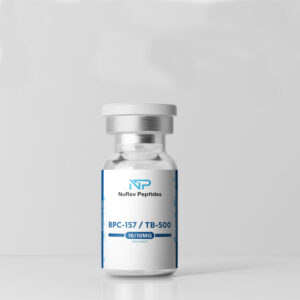
Peptiba TB-500 10mg is supplied as a premium lyophilized peptide product with a clean presentation, practical vial size, and strong relevance for recovery-focused customers. The 10mg format is one of the most common and convenient options for TB-500, making it easy to understand and compare with other recovery peptides.
At Peptiba, every product page is designed to give customers clear information, strong product education, and a premium shopping experience. Instead of vague descriptions, we structure each product around what users actually want to understand: what it is, why it is popular, how it works, who it may appeal to, and how it compares with similar peptides.
TB-500 is one of the core products in Peptiba’s Recovery collection. It is especially relevant for customers who are interested in mobility, flexibility, soft-tissue support, physical resilience, and long-term recovery optimization.
A Core Peptide for Mobility and Recovery
If BPC-157 is one of the most recognized peptides for targeted recovery and gut-related support, TB-500 is one of the most recognized peptides for broader recovery, mobility, and flexibility-focused support.
This makes TB-500 10mg a strong foundation product for Peptiba’s Recovery category. It is easy to understand, widely searched, highly relevant, and naturally connected to other important products in the store.
For customers interested in recovery, movement quality, training consistency, flexibility, and physical durability, TB-500 10mg is one of the most important peptides to explore.
What Is TB-500?
TB-500 is a synthetic peptide related to thymosin beta-4, a naturally occurring protein that plays a role in several biological processes connected to cellular movement, tissue response, and recovery-oriented mechanisms. Over time, TB-500 has become one of the most well-known peptides in the recovery and performance optimization space.
TB-500 is commonly associated with mobility, flexibility, tissue support, soft-tissue recovery, connective tissue resilience, and whole-body recovery optimization. This broad profile is one reason it has become so popular among athletes, gym users, bodybuilders, biohackers, and people interested in long-term physical performance.
The Origins of TB-500
TB-500 is closely connected to thymosin beta-4, a protein naturally found in many tissues. Thymosin beta-4 has been studied for its involvement in actin regulation, cellular movement, tissue remodeling, and repair-oriented processes. TB-500 is often discussed as a synthetic peptide fragment inspired by this larger biological system.
This connection gives TB-500 a distinct identity compared with other recovery peptides. While BPC-157 is often linked with body protection compounds and gut-related recovery pathways, TB-500 is commonly connected to movement, flexibility, and broader tissue support.
Why TB-500 Became Popular
TB-500 became popular because it fits directly into one of the biggest needs in performance and wellness: recovery. For active users, recovery is the foundation of consistency. Without proper recovery, training quality, mobility, flexibility, and long-term performance can all suffer.
Because TB-500 is commonly associated with systemic recovery and movement quality, it became especially interesting to people who train frequently or place high demands on their body. This includes strength athletes, endurance athletes, martial artists, runners, functional fitness users, and people focused on mobility and longevity.
TB-500 in the Peptiba Recovery Category
At Peptiba, TB-500 10mg belongs in the Recovery category because its strongest association is with recovery, mobility, flexibility, and tissue support. It pairs naturally with products such as BPC-157 Acetate 10mg, ARA-290 16mg, KPV 10mg, and PEG-MGF 2mg.
Each of these recovery peptides has a slightly different personality. BPC-157 is often associated with targeted repair, gut health, tendons, ligaments, and connective tissue. ARA-290 is often connected to cellular protection and nerve-related pathways. KPV is often discussed in relation to inflammation balance and gut-focused support. PEG-MGF is often associated with muscle recovery and repair-focused performance support.
TB-500 stands out because it is commonly viewed as broader and more mobility-focused. That makes it a key product for customers interested in recovery that goes beyond one specific area.
Why Customers Look for TB-500
Customers often look for TB-500 because they want a recovery peptide that feels relevant to movement, flexibility, and whole-body physical performance. It is not only associated with one narrow goal. Instead, it is commonly discussed in relation to active lifestyles, demanding training schedules, mobility-focused wellness, and long-term physical durability.
This makes TB-500 10mg one of the most important products in Peptiba’s Recovery collection and a natural companion to BPC-157.
Key Benefits of TB-500 10mg
TB-500 10mg is popular because it is strongly associated with recovery, mobility, flexibility, and whole-body physical resilience. These are benefits that matter to a wide range of users, from athletes and bodybuilders to runners, biohackers, and longevity-focused individuals.
Recovery and Physical Resilience
The biggest reason people are interested in TB-500 is recovery. Active bodies experience repeated stress from training, movement, work, and daily life. Recovery-focused products are popular because they support the bigger goal of staying consistent, moving well, and maintaining performance over time.
TB-500 is often associated with recovery pathways that involve soft tissue, muscles, tendons, ligaments, and connective tissue. This makes it highly relevant for users who care about durability and long-term movement quality.
Mobility and Flexibility
One of the things that separates TB-500 from many other peptides is its strong connection to mobility and flexibility. Many customers are not only looking for recovery in a general sense. They also want to feel more capable, more fluid, and better able to move without restriction.
This is where TB-500 has built much of its reputation. It is often discussed by people who want support for mobility-focused goals, whether that means training harder, moving better, or maintaining flexibility over time.
Whole-Body Recovery Profile
Another key benefit of TB-500 is its reputation as a broader recovery peptide. While BPC-157 is often discussed for more targeted recovery and gut-related support, TB-500 is commonly associated with a more systemic profile.
This makes TB-500 appealing for people who are interested in whole-body recovery rather than one specific area. It is often chosen by customers who want a recovery peptide connected to movement quality, flexibility, and general physical resilience.
Popular Among Active Users
TB-500 is especially popular among people who train often or place high demands on their body. This includes gym users, bodybuilders, strength athletes, CrossFit athletes, runners, fighters, and endurance athletes.
Its appeal is simple: people want to recover better, move better, and stay consistent. TB-500 is one of the peptides most often associated with that goal.
Strong Fit in the Recovery Category
For Peptiba, TB-500 is a key Recovery product because it fills a slightly different role than BPC-157. BPC-157 is strongly associated with targeted recovery and gut health, while TB-500 is more strongly associated with mobility, flexibility, and broader recovery optimization.
How TB-500 Works
TB-500 is commonly associated with recovery and mobility because of its relationship to thymosin beta-4, a naturally occurring protein involved in several biological processes related to cellular movement, tissue response, and repair-focused pathways.
The Role of Thymosin Beta-4
Thymosin beta-4 is a protein found in many tissues throughout the body. It has been studied for its connection to actin regulation, cellular migration, tissue remodeling, and biological repair mechanisms. TB-500 is often discussed as a synthetic peptide fragment related to this broader thymosin beta-4 system.
This is one of the main reasons TB-500 has gained attention in recovery-focused communities. Its association with cellular movement and tissue response makes it relevant to people interested in recovery, flexibility, mobility, and physical resilience.
Actin Regulation and Cellular Movement
Actin is a structural protein that plays an important role in cell shape, movement, and organization. Cellular movement is an important part of many biological processes connected to tissue maintenance and recovery.
TB-500 is often discussed in connection with actin-related mechanisms. This helps explain why it is commonly linked to tissue support, mobility, and recovery optimization. When people talk about TB-500 as a recovery peptide, they are often referring to this broader relationship with cellular movement and tissue response.
Systemic Recovery Profile
Another reason TB-500 stands out is its reputation for broader systemic activity. Some peptides are discussed mainly for localized effects or specific tissue types. TB-500 is often viewed differently because it is commonly associated with whole-body recovery, mobility, and flexibility.
This makes it attractive to users who are not focused on one isolated area, but rather on overall movement quality and recovery capacity. For example, athletes and active individuals may be interested in TB-500 because it fits into a broader recovery strategy rather than a narrow single-purpose approach.
Connection to Mobility and Flexibility
Mobility and flexibility are not only about stretching. They involve tissue quality, joint function, connective tissue resilience, neuromuscular coordination, and recovery status. TB-500 is often discussed in relation to this bigger movement picture.
Its popularity among active users comes partly from this connection. People interested in movement quality often want tools that support soft tissue, flexibility, and physical resilience. TB-500 fits naturally into that conversation.
How TB-500 Differs From BPC-157
TB-500 and BPC-157 are often compared because both are recovery-focused peptides. However, they are commonly described differently.
BPC-157 is often associated with more targeted recovery, connective tissue, gut health, tendons, and ligaments. TB-500 is often associated with broader recovery, mobility, flexibility, and whole-body movement support.
This does not mean one is automatically better than the other. It means they have different profiles. Many customers explore both because they complement each other well within the Recovery category.
Why the Mechanism Matters
Understanding how TB-500 works helps customers understand why it is so popular. It is not just another recovery product. It is a peptide with a distinct relationship to thymosin beta-4, actin regulation, cellular movement, and tissue response.
That unique profile is what makes TB-500 10mg one of the core recovery peptides in the Peptiba catalog.
Common Uses of TB-500 10mg
TB-500 10mg is commonly associated with recovery, mobility, flexibility, and soft-tissue support. Because of its broader recovery profile, it appeals to many different types of users who are interested in physical resilience and long-term performance.
Recovery-Focused Use
The most common reason customers look for TB-500 is recovery. Whether someone trains regularly, competes in sports, lifts weights, runs, or simply wants to maintain an active lifestyle, recovery is a major factor in long-term success.
TB-500 is often discussed in recovery-focused communities because it is associated with whole-body recovery and movement support. This makes it a popular option among customers who want something broader than a single-target peptide.
Mobility and Movement Quality
TB-500 is also commonly associated with mobility and flexibility. People interested in movement quality often look at TB-500 because of its reputation for supporting active, flexible, and resilient movement patterns.
This makes it relevant to athletes, martial artists, runners, CrossFit users, strength athletes, and anyone who wants to stay active over time.
Soft Tissue and Connective Tissue Interest
Another common area of interest is soft tissue and connective tissue. Muscles, tendons, ligaments, fascia, and surrounding structures all play a role in movement and performance.
TB-500 is frequently discussed by users interested in these areas because of its association with tissue response and recovery pathways.
Performance and Training Consistency
For many active users, the goal is not only to recover from one hard session. The bigger goal is consistency. People want to train, move, and perform regularly without feeling limited by poor recovery or reduced mobility.
TB-500 is often chosen by customers who care about long-term performance and want a peptide connected to recovery and physical durability.
Pairing With Other Recovery Peptides
TB-500 is commonly compared with BPC-157 because the two peptides are often discussed together. Customers also compare TB-500 with ARA-290, KPV, and PEG-MGF depending on their goals.
For Peptiba customers exploring recovery peptides, TB-500 is one of the most important products to understand.
Who Is TB-500 For?
TB-500 10mg may appeal to a broad range of users because recovery, mobility, flexibility, and physical resilience are important across many lifestyles. While different customers may have different goals, TB-500 is especially relevant for people who care about staying active, moving well, and supporting long-term performance.
Athletes and Active Individuals
Athletes often become interested in TB-500 because recovery is essential for performance. Whether the focus is strength, speed, endurance, flexibility, or sport-specific movement, recovery plays a central role in long-term progress.
TB-500 is commonly discussed by athletes because of its connection to mobility, flexibility, and broader recovery support.
Bodybuilders and Strength Athletes
Bodybuilders, powerlifters, and strength athletes often place heavy demands on muscles, joints, tendons, and connective tissue. For these users, training consistency depends heavily on how well the body recovers between sessions.
TB-500 may appeal to strength-focused users because it is associated with soft-tissue support, movement quality, and physical resilience.
Runners and Endurance Athletes
Runners, cyclists, and endurance athletes often deal with repetitive stress. Mobility, soft tissue quality, and consistent recovery are important for maintaining performance over time.
TB-500’s association with flexibility and whole-body recovery makes it relevant for endurance-focused customers.
Martial Artists and Functional Fitness Users
Martial artists, CrossFit athletes, and functional fitness users rely on movement quality, flexibility, mobility, and recovery. These users often perform varied movements that challenge the whole body.
TB-500 may appeal to this group because it is commonly linked with broad recovery and movement support.
Biohackers and Longevity Enthusiasts
Biohackers and longevity-focused customers are often interested in peptides that support resilience, mobility, and long-term physical maintenance. For these users, TB-500 fits into a broader strategy focused on staying active and performing well over time.
Recovery-Focused Customers
TB-500 is also relevant for customers who simply want one of the most recognized recovery peptides available. Its broad reputation makes it a strong option for people exploring recovery, mobility, flexibility, and performance support.
TB-500 Product Comparisons
TB-500 is one of the most popular recovery peptides, but customers often compare it with other products before deciding which peptide best fits their goals. In Peptiba’s Recovery category, the most relevant comparisons are TB-500 vs BPC-157, TB-500 vs ARA-290, and TB-500 vs PEG-MGF.
TB-500 vs BPC-157
TB-500 and BPC-157 are two of the most commonly compared recovery peptides. Both are associated with recovery, tissue support, and physical resilience, but they are often viewed differently.
BPC-157 is commonly associated with targeted recovery, connective tissue support, gut health, tendons, ligaments, and localized repair-focused pathways. It is often considered one of the most recognizable peptides for users interested in tissue support and gut-related recovery.
TB-500, on the other hand, is often associated with broader recovery, mobility, flexibility, and whole-body movement support. Customers who care about general movement quality and systemic recovery often compare TB-500 closely with BPC-157.
Many Peptiba customers may explore both products because they complement each other well. BPC-157 may be better suited for users focused on targeted recovery and gut support, while TB-500 may appeal more to those focused on mobility, flexibility, and broader physical resilience.
TB-500 vs ARA-290
ARA-290 is another recovery-focused peptide, but it has a different profile from TB-500. ARA-290 is often associated with cellular protection, nerve-related pathways, and inflammation-focused recovery support.
TB-500 is more commonly linked with mobility, flexibility, soft-tissue support, and systemic recovery. ARA-290 may appeal more to users interested in deeper cellular resilience and nerve-related recovery themes.
For customers deciding between the two, the difference often comes down to focus. TB-500 is more movement and mobility oriented. ARA-290 is more cellular protection and nerve-support oriented.
TB-500 vs PEG-MGF
PEG-MGF is often associated with muscle recovery, growth signaling, and performance-focused repair pathways. Compared with TB-500, PEG-MGF has a stronger connection to muscle-focused recovery and performance support.
TB-500 is broader. It is commonly discussed in relation to mobility, flexibility, connective tissue, and overall recovery. PEG-MGF may appeal more to performance-focused users interested in muscle repair and training adaptation.
For Peptiba customers, TB-500 is a stronger fit for broad recovery and mobility, while PEG-MGF may be more relevant for users focused specifically on muscle recovery and performance.
Which Peptide Should You Choose?
For customers who want one of the most recognized recovery peptides with a broad profile, TB-500 is one of the strongest options in the Recovery category. Those focused on targeted repair and gut-related support may compare it closely with BPC-157. Those interested in cellular protection may look at ARA-290. Those focused on muscle-specific performance may compare it with PEG-MGF.
For a complete recovery-focused collection, Peptiba customers often look at TB-500 10mg, BPC-157 Acetate 10mg, ARA-290 16mg, KPV 10mg, and PEG-MGF 2mg.
TB-500 10mg Product Details
- Product Name: TB-500
- Amount: 10mg
- Form: Lyophilized Powder
- Appearance: White Powder
- Category: Recovery
- Purity: ≥99% HPLC, when available
- Storage: Store refrigerated and protected from light
- Brand: Peptiba
Fast Shipping
Eco Friendly
Sustainability, cruelty-free, recyclable packaging, and ethical sourcing.
Genuine Products
Authorized retailer, premium quality, and dermatologist-approved formulas.
Customer Care
24/7 support, easy returns, and hassle-free shopping experience.
Frequent Asked Questions
What form does BPC-157 come in?
What is the purity of Peptiba BPC-157?
How should BPC-157 be stored?
Is BPC-157 intended for human use?
Do you provide discreet shipping?
Why choose Peptiba BPC-157?
Only logged in customers who have purchased this product may leave a review.


Reviews
There are no reviews yet.